

Pediatric & Neuro-Optometrists Dr. Ingryd Lorenzana & Dr. Ronald Gall
Reveal the Vision Problems That Hide Behind Learning and Behavior Struggles
Why Smart, Bright
Kids Struggle:
Vision's Secret Role in Attention, Behavior, and Learning
They avoid reading. Homework ends in tears. Teachers mention focus or behavior. And every eye test says they see 20/20.
In this free webinar, we will show you the hidden vision problems that can look like a learning, attention, or behavior issue, and what to do next.
🗓️ Date: Every Tuesday
⏰ Time: 6 PM (CST) | 7 PM (EST)
📍 Location: Direct to browser
A session every week · About 30 minutes ·
Includes a free Red Flag Checklist and eBook!
Is It ADHD, a Learning Problem, or a Vision Problem Nobody Checked?
Why this matters
Seeing Clearly Isn't the Same as Seeing Well.
Think about watching a movie with your family.
You need two things: a fast internet connection and the right software.When both work, you just enjoy the movie.
Learning works the same way.
Your child's teacher is the software.
Their eye-brain connection is the internet.
A child can have 20/20 eyesight and still have a slow connection: eyes that don't team, track, or focus efficiently, or a brain that processes what it sees too slowly.
Here's the catch.
Most kids never complain.
They don't know their vision is any different.
Instead, their nervous system goes on high alert to keep up, and you see it as behavior: meltdowns, avoiding homework, trouble paying attention, exhaustion at the end of the day.
That's how a vision problem gets mistaken for laziness,
ADHD, or a learning disability, and why so many bright kids go years without the right help.

What you'll learn
In This Free Webinar, You'll Discover:
Why vision is more than 20/20
Clear eyesight is only the starting point. Learn the skills that matter for school: how well the eyes team, track, and focus, and how quickly the brain processes what it sees.
How vision shapes your child's brain
Vision develops before language and before many thinking skills, which is why a child's first eye exam should be at 6 months. Learn how movement, play, and screen time shape that development.
The red flags parents miss
Younger kids rarely say "my eyes hurt." Instead you see anxiety, irritability, poor balance, or meltdowns. Older kids avoid reading and are exhausted after school. Learn what to watch for at each age.
The misdiagnosis trap
Same behaviors, different labels. Research shows kids diagnosed with reading problems and kids diagnosed with ADHD can share the same visual processing challenge. Learn why vision is so often overlooked.
Why screenings and standard exams can miss it
School screenings don't replace an eye exam, and they don't check visual processing. See how a child with straight eyes and 20/20 vision can slip through.
Simple steps you can take now
A quick at-home check you can try tonight, plus everyday habits that support a healthy brain: movement, outdoor play, less screen time, rest, food, and hydration.
When to get a vision evaluation
Why a baseline exam matters, especially for kids in sports, dance, or gymnastics, and what a pediatric or neuro-optometrist looks for.
Meet Your Doctors

Dr.Ronald gall
OD, MSc, FAAO, FOVDRA, Diplomate (BVPPO)
FOUNDER, Oakville Centre for Vision (Oakville, ON)
Dr. Gall is a leading Canadian expert in binocular vision and pediatric optometry. Inspired by his own childhood experience with an eye turn (esotropia), Dr. Gall has dedicated over 30 years to advancing evidence-based neuro-optometric care, helping patients overcome learning-related visual dysfunctions and achieve their full potential.
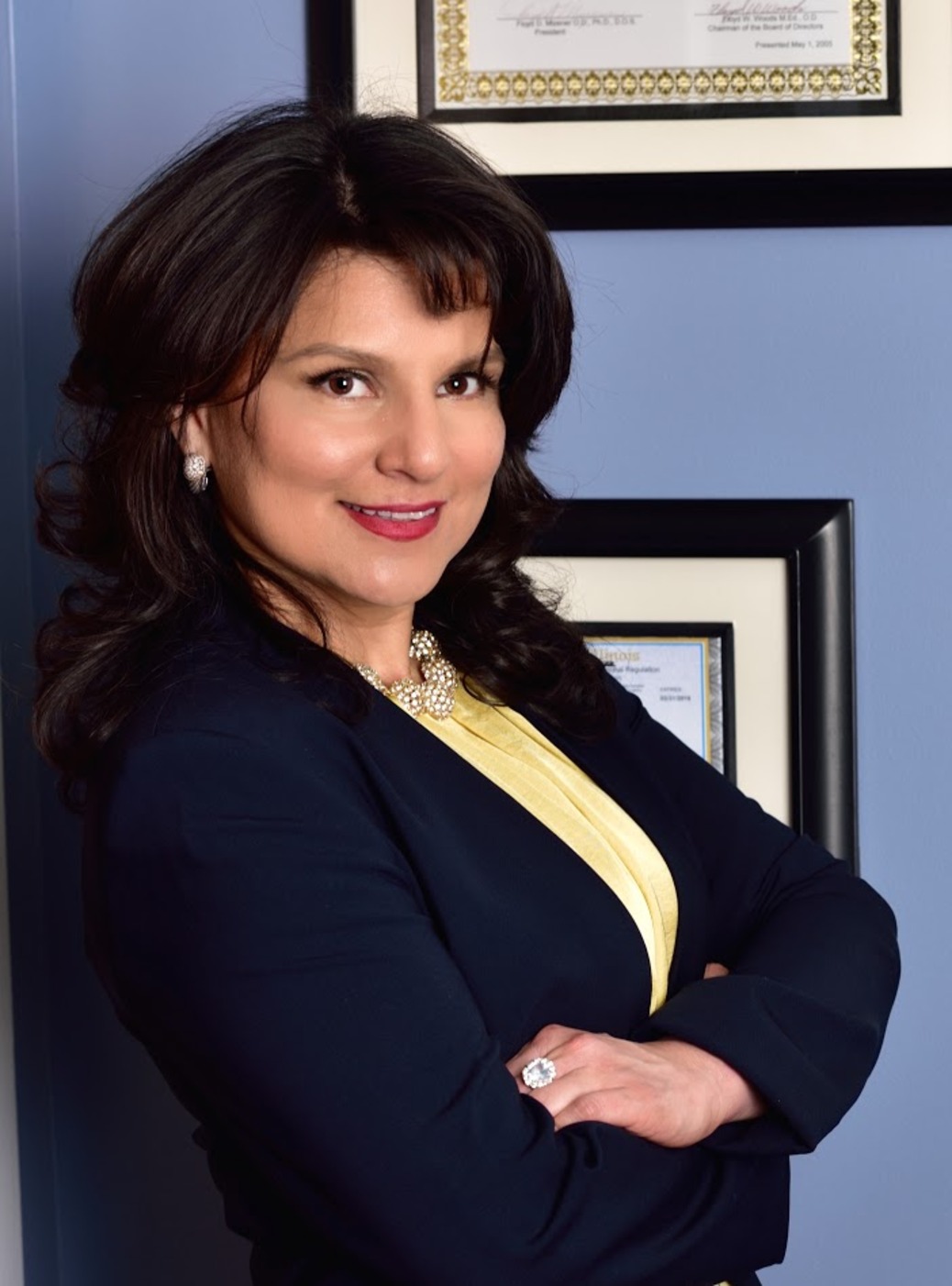
Dr.INGRYD LORENZANA
OD, FAAO, FOVDRA, CBHP
Founder, Brain Vision Institute
(South Barrington, IL)
Dr. Lorenzana is an internationally recognized pioneer in the field of pediatric and neuro-optometry. Her approach is deeply informed by her own recovery from a childhood brain injury, blending scientific research, personal experience with clinical innovation to rehabilitate visual processing and optimize brain function. She is an award-winning researcher and international speaker on the brain-vision connection.
Your Free Gifts
Everyone who attends live gets 2 thank-you gifts by email after the session:
Red Flag Checklist
Go through 30 red flags, each with real-life examples in children and adults, from forgetting homework to meltdowns. Check more than 3, and it's a strong sign a visual processing evaluation is worth it.
Why Kids Struggle! The Whole Child Brain~Vision Connection (eBook)
A complete parent's guide: the vision-ADHD mix-up, a vision quiz, the 17 vision skills kids need for school, why school screenings miss problems, classroom tools for teachers, and questions to ask your eye doctor.
Who this is for
This Webinar Is for You If Your Child:
Is bright and curious, but behind in reading or school
Avoids reading, skips lines, or loses their place
Melts down, cries, or shuts down during homework
Has trouble paying attention, or has been labeled with ADHD
Is exhausted, irritable, or anxious at the end of the school day
Has an IEP or 504 plan, or has done occupational therapy that has stalled
Passed every vision screening and eye exam, but something still doesn't add up
Also useful for teachers, therapists, and other professionals who work with children.

STILL NOT SURE?
Frequently Asked Questions
Question 1: Is it really free?
Yes. The webinar, the Red Flag Checklist, and the eBook are all free. Nothing is sold.
Question 2: How long is it?
About 30 minutes.
Question 3: When can I watch?
A new session runs every Tuesday at 6 PM CT on Zoom. Register and we'll email your link when the session begins.
Question 4: Can I ask questions?
Yes. Reply to any of our emails and the doctors' team will get back to you.
Question 5: My child passed their vision screening. Is this still relevant?
Yes. Screenings check how clearly a child sees. They don't check how well the eyes work together or how the brain processes what it sees.
Question 6: My child already has an ADHD or learning diagnosis. Is this for us?
Yes. This isn't about replacing a diagnosis. It's about making sure vision has been checked as part of the picture.
Question 7: What age is this for?
The doctors cover kids from infancy through the teen years, and explain how the red flags change with age.
Your Child Isn't Lazy.
They May Be Working Twice as Hard to See.
In about 30 minutes, you'll know the red flags to watch for, why vision is so often missed, and what to do next for your child.
This webinar is for educational purposes and is not a substitute for a comprehensive eye examination or medical care.
© Copyright 2026. All Rights Reserved.