
Is It Anxiety…
or Is Something Being Missed?
A live masterclass revealing the hidden connection between your teen's visual system, their academic struggles, and the symptoms that look exactly like ADHD and anxiety.
Tuesday, September 8, 2026 | 7:00 PM ET / 6:00 PM CT | Live
Hosted by Pediatric and Neuro-Optometrists:
Dr. Ronald Gall and Dr. Ingryd Lorenzana
Give your child the most important school supply of all:
The opportunity to THRIVE with healthy, functional vision.
Is It Anxiety…
or Is Something Being Missed?
A live masterclass revealing the hidden connection between your teen's visual system, their academic struggles, and the symptoms that look exactly like ADHD and anxiety.
Tuesday, September 8, 2026 | 7:00 PM ET / 6:00 PM CT | Live via Zoom
Hosted by Pediatric and Neuro-Optometrists:
Dr. Ronald Gall and Dr. Ingryd Lorenzana
Give your child the most important school supply of all:
The opportunity to THRIVE with healthy, functional vision.
You Are Not Imagining It

You know your child. You know they are smart, capable, and driven.
But lately, something has changed. Homework that should take 30 minutes stretches into a grueling three-hour battle. A bright student who used to love reading now avoids it at all costs.
The anxiety before school or tests is palpable, sometimes manifesting physically as headaches, exhaustion, or an inability to sit still.

You have likely tried everything: tutors, therapy, new organizational systems, perhaps even ADHD medication.
And yet, despite your best efforts and their hardest work, the struggle remains.
These challenges are
often misinterpreted as:
Anxiety,
Attention problems or
Lack of motivation

When you ask professionals for answers, you are often met with reassuring but incomplete information: "They passed the eye exam. Their vision is fine."
But what if "fine" only means they can see a chart 20 feet away?
What if the real issue lies not in their intelligence, their motivation, or their emotional resilience, but in how their brain and eyes work together to process the world?
You Are Not Imagining It
You know your child. You know they are smart, capable, and driven.
But lately, something has changed. Homework that should take 30 minutes stretches into a grueling three-hour battle. A bright student who used to love reading now avoids it at all costs.
The anxiety before school or tests is palpable, sometimes manifesting physically as headaches, exhaustion, or an inability to sit still.
You have likely tried everything: tutors, therapy, new organizational systems, perhaps even ADHD medication.
And yet, despite your best efforts and their hardest work, the struggle remains.
These challenges are
often misinterpreted as:
Anxiety,
Attention problems or
Lack of motivation
When you ask professionals for answers, you are often met with reassuring but incomplete information: "They passed the eye exam. Their vision is fine."
But what if "fine" only means they can see a chart 20 feet away?
What if the real issue lies not in their intelligence, their motivation, or their emotional resilience, but in how their brain and eyes work together to process the world?
The Missing Piece
Most Families Never Hear About

Most people think vision is just about seeing clearly. But vision is not just eyesight, it’s how the brain:
Processes information
Sustains attention
Coordinates eye movements
Handles visual demand under stress
And when these systems are not working efficiently, the brain has to work harder.
The Brain–Vision–Stress Connection
Your teen’s experience may not be coming from just one place. Instead, it may involve an interaction between:
Visual Demand: Sustained near work, screens, and academic load
Cognitive Load: The brain working harder to process visual information
Nervous System Response: Stress, overwhelm, or shutdown
The Cycle: Visual strain increases cognitive effort ➔ Increased effort raises stress levels ➔ Stress impacts performance and focus ➔ The cycle continues.
This does not mean vision is the only cause of anxiety, but it may be a significant overlooked contributing factor worth understanding.
Why This Often Gets Missed
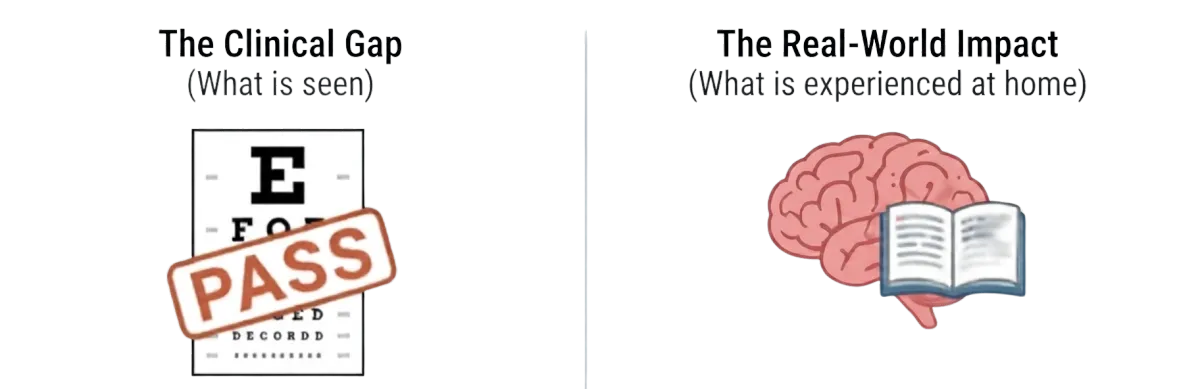
Many parents are told that their child passed a vision screening or that their eyesight is 20/20. However, vision screenings are limited and may miss important aspects of functional vision.
Seeing clearly at a distance does not measure how efficiently the brain is using visual information. In addition, some visual challenges are subtle and may not produce obvious symptoms, yet they can still significantly impact daily performance.
In addition, some visual challenges are subtle and may not produce obvious symptoms, yet they can still significantly impact daily performance.
This creates a gap between what is seen clinically and what is experienced at home and at school.
None of this means vision is the whole story.
It means it's one of the few contributing factors that rarely gets checked
and one of the more measurable ones when it is.
Don't worry, we can help!
The Missing Piece
Most Families Never Hear About
Most people think vision is just about seeing clearly. But vision is not just eyesight, it’s how the brain:
Processes information
Sustains attention
Coordinates eye movements
Handles visual demand under stress
And when these systems are not working efficiently, the brain has to work harder.
The Brain–Vision–Stress Connection
Your teen’s experience may not be coming from just one place. Instead, it may involve an interaction between:
Visual Demand: Sustained near work, screens, and academic load
Cognitive Load: The brain working harder to process visual information
Nervous System Response: Stress, overwhelm, or shutdown
The Cycle: Visual strain increases cognitive effort ➔ Increased effort raises stress levels ➔ Stress impacts performance and focus ➔ The cycle continues.
This does not mean vision is the only cause of anxiety, but it may be a significant overlooked contributing factor worth understanding.
Why This Often Gets Missed
Many parents are told that their child passed a vision screening or that their eyesight is 20/20. However, vision screenings are limited and may miss important aspects of functional vision.
Seeing clearly at a distance does not measure how efficiently the brain is using visual information. In addition, some visual challenges are subtle and may not produce obvious symptoms, yet they can still significantly impact daily performance.
In addition, some visual challenges are subtle and may not produce obvious symptoms, yet they can still significantly impact daily performance.
This creates a gap between what is seen clinically and what is experienced at home and at school.
None of this means vision is the whole story.
It means it's one of the few contributing factors that rarely gets checked
and one of the more measurable ones when it is.
Don't worry, we can help!
Who Should Attend?

Parents of teens who:
Are struggling with anxiety, overwhelm, or stress
Have difficulty focusing, especially with schoolwork
Are capable but inconsistent in performance
Avoid reading or complain of fatigue, headaches, or eye strain
Have been told “everything is normal,” but something still feels off

Highly recommended for professionals working with teens:
Pediatricians
occupational therapists
psychologists, and;
educators seeking to understand the physiological root of their patients' struggles.
Your FREE Gifts
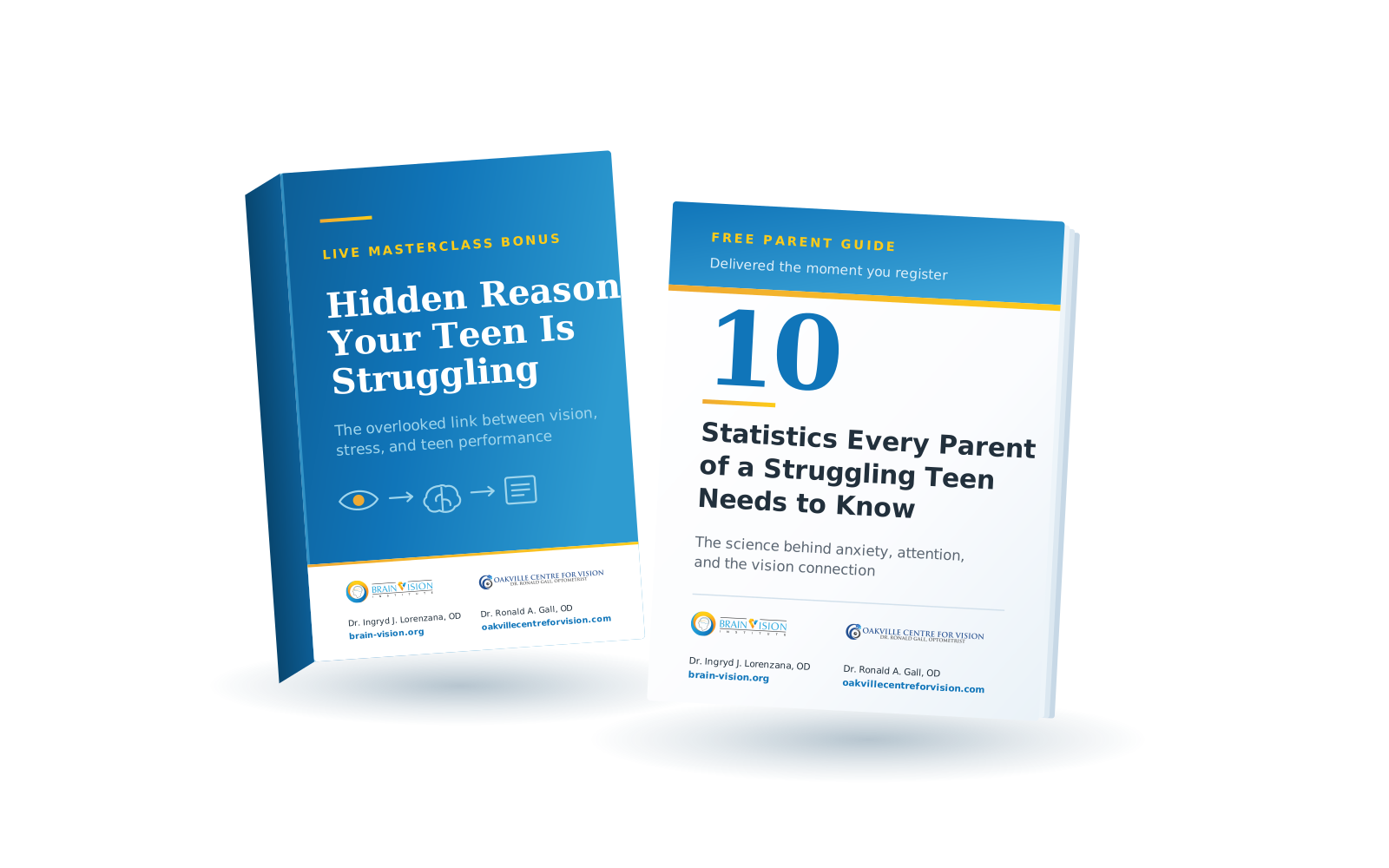
Gift #1: 10 Statistics Every Parent of a Struggling Teen Needs to Know
A guide breaking down the most powerful scientific research on vision, learning, and mental health.
Gift #2: Hidden Reasons Your Teen Is Struggling (eBook)
Our comprehensive guide that goes deeper into the science discussed in the masterclass and provides a clear roadmap for getting your teen the help they need. (Delivered exclusively to live attendees).
BONUS!!! 35 minutes plus live Q&A Educational session with Pediatric Optometrists
Who Should Attend?
Parents of teens who:
Are struggling with anxiety, overwhelm, or stress
Have difficulty focusing, especially with schoolwork
Are capable but inconsistent in performance
Avoid reading or complain of fatigue, headaches, or eye strain
Have been told “everything is normal,” but something still feels off
Highly recommended for professionals working with teens:
Pediatricians
occupational therapists
psychologists, and;
educators seeking to understand the physiological root of their patients' struggles.
Your FREE Gifts
Gift #1: 10 Statistics Every Parent of a Struggling Teen Needs to Know
A guide breaking down the most powerful scientific research on vision, learning, and mental health.
Gift #2: Hidden Reasons Your Teen Is Struggling (eBook)
Our comprehensive guide that goes deeper into the science discussed in the masterclass and provides a clear roadmap for getting your teen the help they need. (Delivered exclusively to live attendees).
BONUS!!! 35 minutes plus live Q&A Educational session with Pediatric Optometrists

Join Pediatric and Neuro – Optometrists: Dr. Ingryd Lorenzana and Dr. Ronald Gall
for a live masterclass where we break down and practically apply the science behind
the vision-anxiety connection that your teen maybe experiencing.
____________
What you will Discover in this Live Masterclass:
The 20/20 Myth
Why passing a vision screening can create a false sense of security, and why it may miss up to 75% of learning-related vision problems
Why Some Teens Struggle Despite Trying Hard
How visual demand, fatigue, and processing inefficiencies can affect school performance, even in bright and capable students
The Brain–Stress Connection
How increased visual and cognitive demand can contribute to nervous system overload, triggering fight-or-flight responses that impact focus, endurance, and emotional regulation
Thrive vs. Survive Mode
How children and teens may shift between optimal performance and stress-based survival patterns, and what influences that shift
When Anxiety Isn’t the Whole Picture
How to recognize when your teen’s struggles may involve more than anxiety alone
The Overlap with Attention & Anxiety
Why some visual challenges may coexist with symptoms commonly associated with ADHD and anxiety, and why children with Convergence Insufficiency are more likely to receive an ADHD diagnosis
Understanding Evaluation Options
The difference between a standard eye exam and a more comprehensive functional visual evaluation
Eyesight vs. Functional Vision
The difference between seeing clearly and processing visual information efficiently, and why that distinction matters for learning and performance
Signs That May Be Getting Overlooked
Subtle indicators that may suggest a deeper issue worth evaluating
The Right Questions to Ask
Exactly what to ask at your child’s next eye exam to ensure functional vision is being properly evaluated
Join Pediatric and Neuro – Optometrists:
Dr.Ingryd Lorenzana and Dr. Ronald Gall
for a live masterclass where we break down and practically apply the science behind
the vision-anxiety connection that your teen maybe experiencing.
____________
What you will Discover in this Live Masterclass:
The 20/20 Myth
Why passing a vision screening can create a false sense of security, and why it may miss up to 75% of learning-related vision problems
Why Some Teens Struggle Despite Trying Hard
How visual demand, fatigue, and processing inefficiencies can affect school performance, even in bright and capable students
The Brain–Stress Connection
How increased visual and cognitive demand can contribute to nervous system overload, triggering fight-or-flight responses that impact focus, endurance, and emotional regulation
Thrive vs. Survive Mode
How children and teens may shift between optimal performance and stress-based survival patterns, and what influences that shift
When Anxiety Isn’t the Whole Picture
How to recognize when your teen’s struggles may involve more than anxiety alone
The Overlap with Attention & Anxiety
Why some visual challenges may coexist with symptoms commonly associated with ADHD and anxiety, and why children with Convergence Insufficiency are more likely to receive an ADHD diagnosis
Understanding Evaluation Options
The difference between a standard eye exam and a more comprehensive functional visual evaluation
Eyesight vs. Functional Vision
The difference between seeing clearly and processing visual information efficiently, and why that distinction matters for learning and performance
Signs That May Be Getting Overlooked
Subtle indicators that may suggest a deeper issue worth evaluating
The Right Questions to Ask
Exactly what to ask at your child’s next eye exam to ensure functional vision is being properly evaluated
The webinar will be hosted by

Dr.Ronald gall
OD, MSc, FAAO, FOVDRA, Diplomate (BVPPO)
FOUNDER, Oakville Centre for Vision (Oakville, ON)
Dr. Gall is a leading Canadian expert in binocular vision and pediatric optometry. Inspired by his own childhood experience with an eye turn (esotropia), Dr. Gall has dedicated over 30 years to advancing evidence-based neuro-optometric care, helping patients overcome learning-related visual dysfunctions and achieve their full potential.
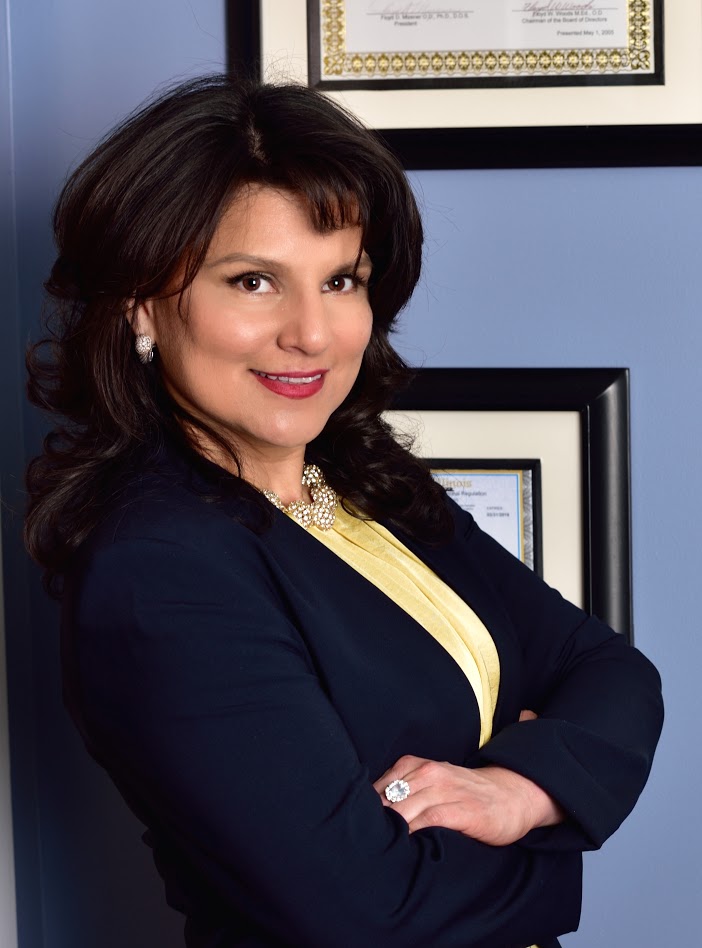
Dr.INGRYD LORENZANA
OD, FAAO, FOVDRA, CBHP
Founder, Brain Vision Institute
(South Barrington, IL)
Dr. Lorenzana is an internationally recognized pioneer in the field of pediatric and neuro-optometry. Her approach is deeply informed by her own recovery from a childhood brain injury, blending scientific research, personal experience with clinical innovation to rehabilitate visual processing and optimize brain function. She is an award-winning researcher and international speaker on the brain-vision connection.
The webinar will be hosted by
Dr.Ronald gall
OD, MSc, FAAO, FOVDRA, Diplomate (BVPPO)
FOUNDER, Oakville Centre for Vision (Oakville, ON)
Dr. Gall is a leading Canadian expert in binocular vision and pediatric optometry. Inspired by his own childhood experience with an eye turn (esotropia), Dr. Gall has dedicated over 30 years to advancing evidence-based neuro-optometric care, helping patients overcome learning-related visual dysfunctions and achieve their full potential.
Dr.INGRYD LORENZANA
OD, FAAO, FOVDRA, CBHP
Founder, Brain Vision Institute
(South Barrington, IL)
Dr. Lorenzana is an internationally recognized pioneer in the field of pediatric and neuro-optometry. Her approach is deeply informed by her own recovery from a childhood brain injury, blending scientific research, personal experience with clinical innovation to rehabilitate visual processing and optimize brain function. She is an award-winning researcher and international speaker on the brain-vision connection.
REFERENCES:
American Optometric Association. (2017). Comprehensive pediatric eye and vision examination (2nd ed.). AOA.
Birnbaum, M. H. (1984). Near point visual stress: A physiological model.
Journal of the American Optometric Association, 55(11), 825–835.
Convergence Insufficiency Treatment Trial (CITT) Study Group. (2008).
Randomized clinical trial of treatments for symptomatic convergence insufficiency in children.
Archives of Ophthalmology, 126(10), 1336–1349.
Granet, D. B., Gomi, C. F., Ventura, R., & Miller-Scholte, A. (2005).
The relationship between convergence insufficiency and ADHD. Strabismus, 13(4), 163–168.
University of Utah Health / John A. Moran Eye Center. (2024).
Eye and vision problems: What school screenings might miss. University of Utah Health.
© Copyright @ Drs Gall and Dr. Lorenzana | 2026. All Rights Reserved.