
Pediatric Optometrists Dr. Ingryd Lorenzana & Dr. Ronald Gall Reveal How to Slow Your Child's Nearsightedness
Protecting Your Child's Vision:
How to Slow (and Stop) Myopia Before It Gets Worse
Is Your Child's Nearsightedness
Getting Worse Every Year?
Give your child the most important school supply of all:
healthy, functional vision.
Glasses help your child see clearly
but they don't stop the eye from growing.
In this free parent masterclass,
you'll learn how to spot myopia early,
what actually slows it down, and
how to build a vision protection plan for your child.
🗓️ Date: Every Tuesday
⏰ Time: 6 PM (CST) | 7 PM (EST)
📍 Location: Zoom
PROTECTING YOUR CHILD'S VISION FUTURE
🗓️ Date: Every Tuesday
⏰ Time: 6 PM (CST) | 7 PM (EST)
📍 Location: Zoom
Join Pediatric Optometrists
Dr. Ronald Gall and Dr. Ingryd Lorenzana
Give your child the most important school supply of all: healthy, functional vision.
Bonus: Downloadable
“Learning & Vision Symptom Checklist”
for all attendees!
A session every week · About 25 minutes ·
Includes a free workbook, vision tracking chart, and ebook!
You may have been told, “It’s just genetics.”
But myopia progression is influenced by more than genetics.
Environmental and lifestyle factors can also play an important role.
The good news?
There are ways to manage myopia progression.
Why this matters now
Glasses Fix the Blur. They Don't Fix the Growth.
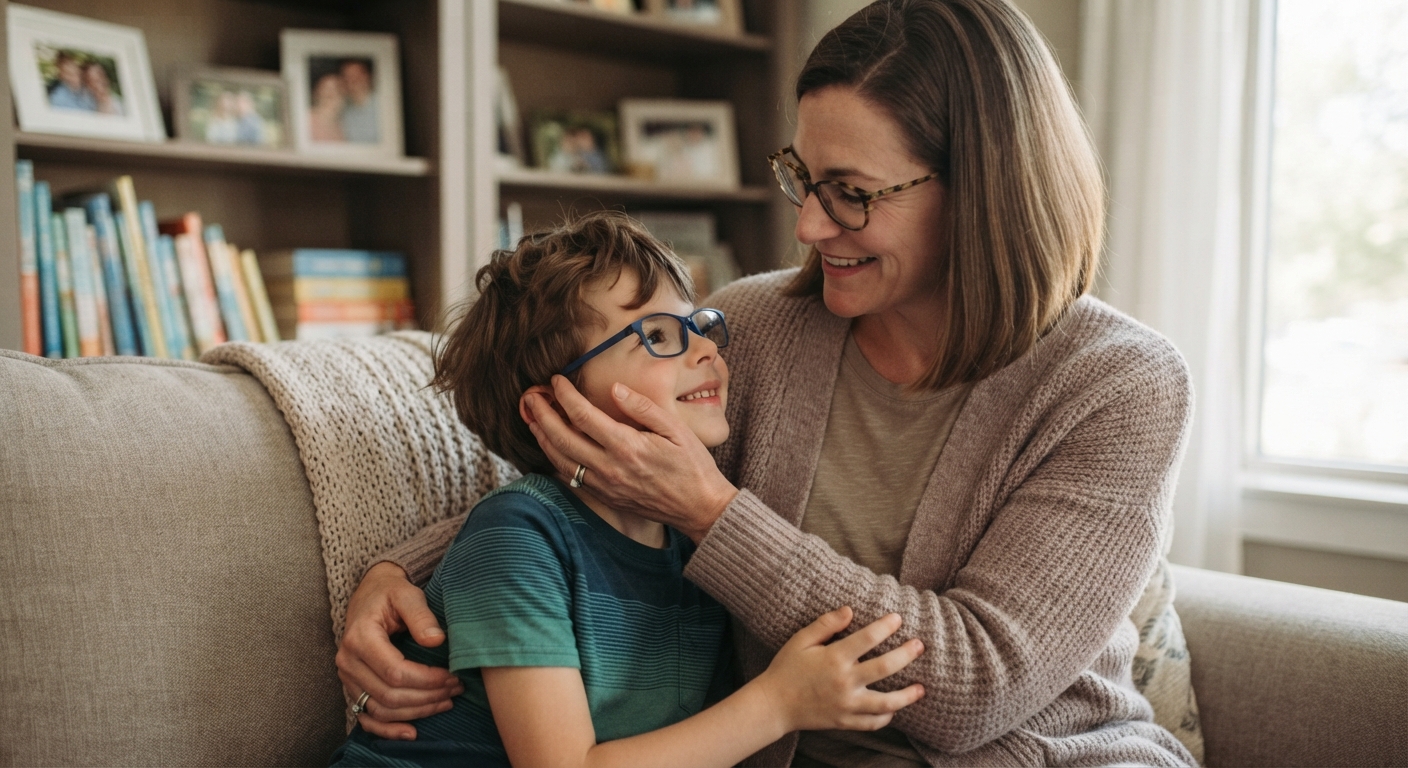
Myopia (nearsightedness) usually starts in childhood and often gets worse as your child grows.
Researchers project that within about 25 years, half the world will be nearsighted and 10% will be at a high level.
The reasons are all around us: more screen time, less time outdoors, and an earlier push into reading and academics.
Here's what most parents don't hear: as myopia increases, the eyeball physically grows longer.
The light-sensitive lining inside the eye (the retina) has to stretch to cover it
like trying to wear a size 4 dress when you've grown into a size 8.
Over the years, that stretching raises the risk of thinning and sight-threatening conditions in adulthood.
Standard glasses sharpen your child's vision today.
But they treat the symptom, not the growth underneath.
The good news: there are proven ways to put the brakes on it and the earlier you act, the better.
What You’ll Learn
In This Free Masterclass, You'll Discover:
How your child's vision is supposed to develop
Children are born slightly farsighted, and that cushion should last through about age 7 to 9. The doctors share a simple "number line" that shows when a child is drifting toward nearsightedness, often years before anyone notices.
The risk factors that matter most
If one or both parents are nearsighted, your child's risk goes up. Lots of close-up work, little time outdoors, and an early start all add to it. The earlier myopia begins, the faster it tends to progress.
The quiet warning signs parents miss
Squinting, headaches, rubbing their eyes, holding books or tablets too close, avoiding sports, or struggling to see the board. Most kids won't tell you their vision is blurry, because to them it's normal.
Why a school or pediatrician screening isn't enough
A screening checks a snapshot of one day. A full exam with a children's eye doctor looks at how the eyes are growing and working together, and whether they're likely to change in the next six months.
Six treatment options beyond standard glasses
Glasses sharpen vision but don't slow eye growth. You'll hear how specialized glasses, therapeutic soft contact lenses, overnight reshaping lenses, low-dose eye drops, red light therapy, and brain-based vision therapy work, and when doctors combine them.
Free, everyday habits that protect your child's eyes
An hour outdoors a day, the 20-20-20 screen break, a safe reading distance, good lighting, nutrition, and sleep. Small changes at home that support every treatment.
How to build your child's vision protection plan
Use the included workbook to note your child's risk factors and warning signs, then map out your next steps, from the right exam to regular follow-ups.
Meet Your Doctors
Dr.Ronald gall
OD, MSc, FAAO, FOVDRA, Diplomate (BVPPO)
FOUNDER, Oakville Centre for Vision (Oakville, ON)
Dr. Gall is a leading Canadian expert in binocular vision and pediatric optometry. Inspired by his own childhood experience with an eye turn (esotropia), Dr. Gall has dedicated over 30 years to advancing evidence-based neuro-optometric care, helping patients overcome learning-related visual dysfunctions and achieve their full potential.
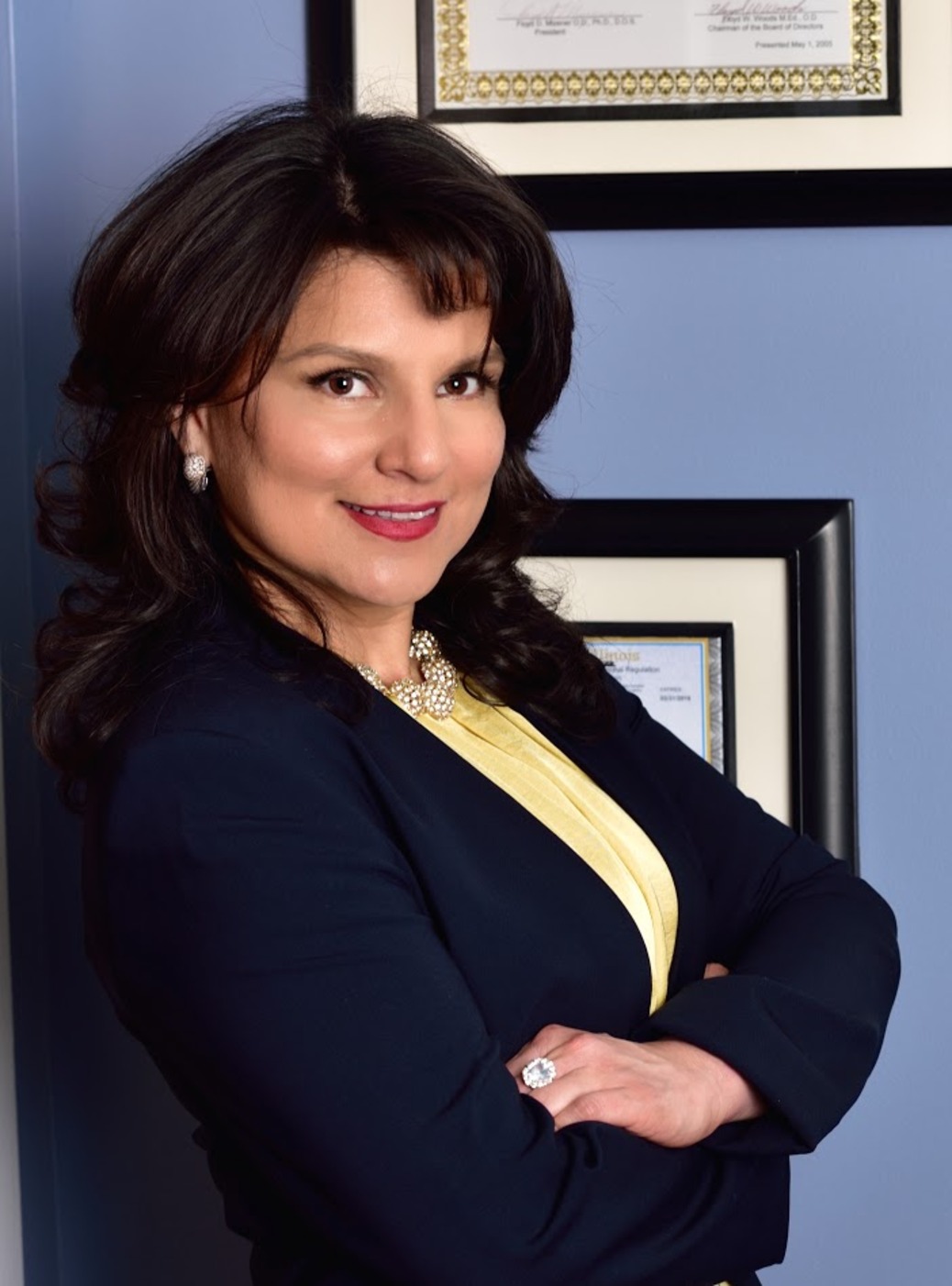
Dr.INGRYD LORENZANA
OD, FAAO, FOVDRA, CBHP
Founder, Brain Vision Institute
(South Barrington, IL)
Dr. Lorenzana is an internationally recognized pioneer in the field of pediatric and neuro-optometry. Her approach is deeply informed by her own recovery from a childhood brain injury, blending scientific research, personal experience with clinical innovation to rehabilitate visual processing and optimize brain function. She is an award-winning researcher and international speaker on the brain-vision connection.
Your free bonuses
Attend Live and Get Two Free Gifts
Child Vision Tracking Chart
Track how your child's prescription changes over time, using the same kind of chart the doctors use to spot when myopia is speeding up.
The Complete Myopia Parent Ebook
Go deeper than the masterclass can, with answers to the questions parents ask most, nutrition tips for healthy eyes, and real-life examples of lifestyle changes you can start at home.
Who this is for
This Masterclass Is for You If:
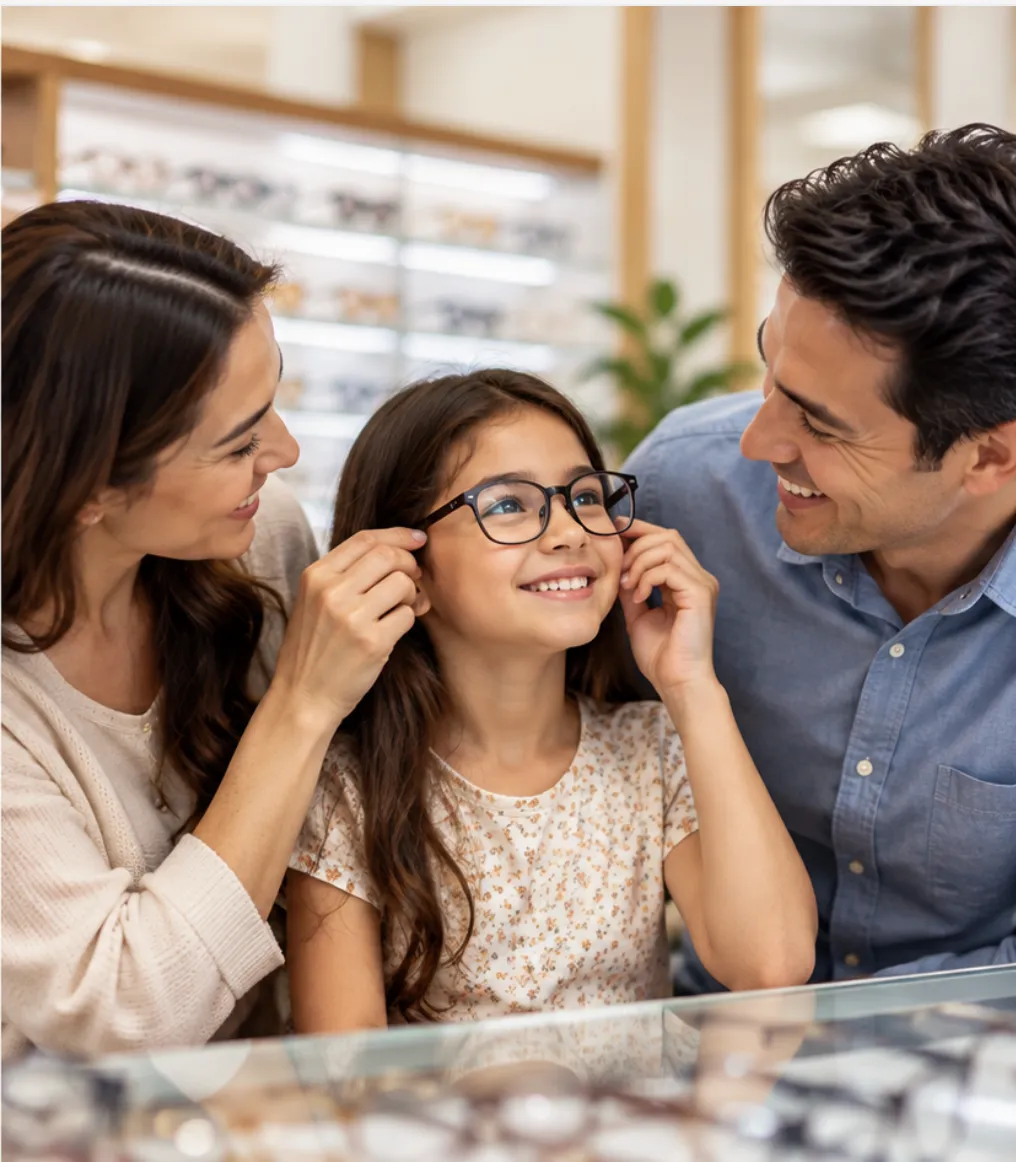
Your child already wears glasses and their prescription keeps getting stronger
You've heard about myopia control lenses or eye drops and want a clear, unbiased overview
You're nearsighted yourself (or both parents are) and want to protect your child early
You've noticed squinting, headaches, eye rubbing, or books held too close
Your child spends hours on screens or schoolwork and not much time outdoors
Your child "passed" a school screening, but something still doesn't seem right
You've heard about myopia control lenses or eye drops and want a clear, unbiased overview

STILL NOT SURE?
Frequently Asked Questions
Question 1: Is it really free?
Yes. The masterclass, workbook, tracking chart, and ebook are all free.
Question 2: How long is it?
About 25 minutes — short enough to watch during nap time or after the kids are in bed.
Question 3: When can I watch?
A new session runs every Tuesday at 6 PM CST / 7 PM EST on Zoom. Register now and we'll send your link for this week's session, plus reminders so you don't miss it.
Question 4: My child already wears glasses. Is this still useful?
Yes — especially. Standard glasses correct blur but don't slow eye growth. You'll learn what else can help.
Question 5: My child passed a vision screening at school. Do I need this?
A screening isn't a full eye exam. The masterclass explains what screenings can miss and why ongoing check-ups matter while your child's eyes are still developing.
Question 6: Isn't my child too young for contact lenses?
We cover this directly. Therapeutic soft contact lenses are a treatment tool, not a cosmetic choice — and parents manage them until the child is ready.
Question 7: Will this replace an eye exam?
No. It's an education session to help you ask the right questions. Your child's treatment should always be decided with their own eye doctor.
The webinar will be hosted by
Dr.Ronald gall
OD, MSc, FAAO, FOVDRA, Diplomate (BVPPO)
FOUNDER, Oakville Centre for Vision (Oakville, ON)
Dr. Gall is a leading Canadian expert in binocular vision and pediatric optometry. Inspired by his own childhood experience with an eye turn (esotropia), Dr. Gall has dedicated over 30 years to advancing evidence-based neuro-optometric care, helping patients overcome learning-related visual dysfunctions and achieve their full potential.
Dr.INGRYD LORENZANA
OD, FAAO, FOVDRA, CBHP
Founder, Brain Vision Institute
(South Barrington, IL)
Dr. Lorenzana is an internationally recognized pioneer in the field of pediatric and neuro-optometry. Her approach is deeply informed by her own recovery from a childhood brain injury, blending scientific research, personal experience with clinical innovation to rehabilitate visual processing and optimize brain function. She is an award-winning researcher and international speaker on the brain-vision connection.
This masterclass is for educational purposes and is not a substitute for a comprehensive eye examination.
Treatment availability varies by country. Results vary from child to child.
© Copyright 2026. All Rights Reserved.