

Pediatric & Neuro-Optometrists Dr. Ingryd Lorenzana & Dr. Ronald Gall Reveal the Hidden Red Flags of Childhood Concussions
Small Falls. Big Impact.
Rethinking the 'Owie' in Concussions
Your Child Bumped Their Head.
Are You Missing the Signs of a Concussion?
A fall off the high chair at age 3.
Struggles with reading and behavior in first grade.
Most parents never connect the two.
In this free 25-minute webinar,
we will show you the red flags to watch for,
why a "normal" MRI doesn't always mean a normal brain,
and what to do if your child has had a fall.
🗓️ Date: Every Tuesday
⏰ Time: 6 PM (CST) | 7 PM (EST)
📍 Location: Zoom
Small Falls Happen. Missed Signs Don't Have To.
In about 25 minutes, you'll know the red flags to watch for, when to get your child checked, and how to protect their learning and development after a fall.
Why this matters
"Just Rest. It'll Go Away." But What If It Doesn't?
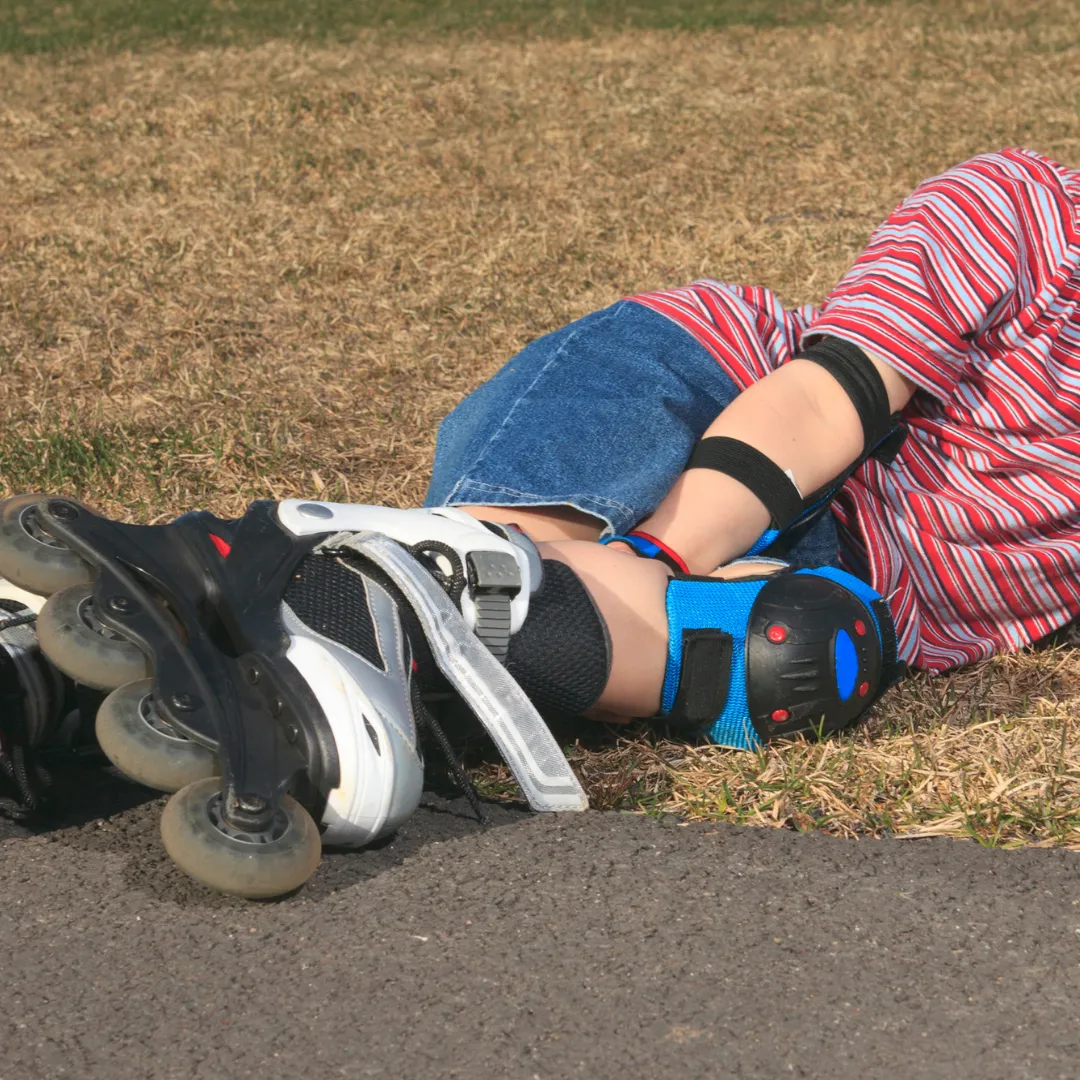
Every year, millions of children bump their heads: a tumble at the playground, a collision in sports, a "harmless" bonk at home. Falls are the most common cause of brain injury, and the youngest children are most at risk. They're still learning to move, climb, and ride a bike.
Most families are told to rest and wait. But what often goes unnoticed is the quiet disruption to the brain's most important information system: vision.
Think of your child's brain like a phone. Their apps (reading, writing, paying attention, remembering) only run when the connection is strong. A concussion can weaken the eye-brain connection, so everything starts buffering. Your child may see clearly and still struggle to process what they see.
When that happens, children may experience:
Slower reading and poor comprehension
Trouble with memory and attention
Changes in behavior or mood
A drop in school performance
Problems with balance and coordination
Brain fog or mental fatigue
These invisible vision problems often look like ADHD, dyslexia, or anxiety.
And because the changes are too small to show up on a CT scan or MRI, many children are told everything is "normal" while they keep struggling for months.
What you'll learn:
In This Free Masterclass, You'll Discover:
Why kids aren't just small adults
A child's brain and visual system are still developing. When a fall knocks that development off track, learning and processing slow down, which is why a small bump can be a big deal for a young child.
A simple way to understand how concussions affect the brain
The doctors use an easy picture of the brain to show what happens inside the skull during a fall, and why your child doesn't have to hit their head directly to be affected.
Why symptoms continue in spite of a "normal" MRI
Concussion damage is often microscopic, too small for a CT scan or MRI to detect. You'll learn why a vision evaluation can pick up changes in how the brain processes information that scans miss.
The red flags every parent should know
Trouble reading or remembering what they read, losing concentration, headaches, behavior changes, balance problems. Learn which signs point to a vision problem, and why older kids often stop reporting their bumps at all.
Treatment options based on symptoms
How a team of doctors and therapists works together after a concussion, and how neuro-visual rehabilitation helps rebuild the eye-brain connection for faster processing.
How to speed up recovery and lower the risk of another concussion
veryday strategies for nutrition, sleep, hydration, and exercise, plus why multiple concussions add up and how treatment builds a buffer against the next one.
Your family's personal action plan
When to book your child's first eye exam, how to keep a simple fall log, why young athletes need a baseline vision test, and how to work with your child's school during recovery.
Meet Your Doctors
Your Hosts: A Concussion-Trained Pediatric & Neuro-Optometric Team

Dr.Ronald gall
OD, MSc, FAAO, FOVDRA, Diplomate (BVPPO)
FOUNDER, Oakville Centre for Vision (Oakville, ON)
Dr. Gall is a leading Canadian expert in binocular vision and pediatric optometry. Inspired by his own childhood experience with an eye turn (esotropia), Dr. Gall has dedicated over 30 years to advancing evidence-based neuro-optometric care, helping patients overcome learning-related visual dysfunctions and achieve their full potential.
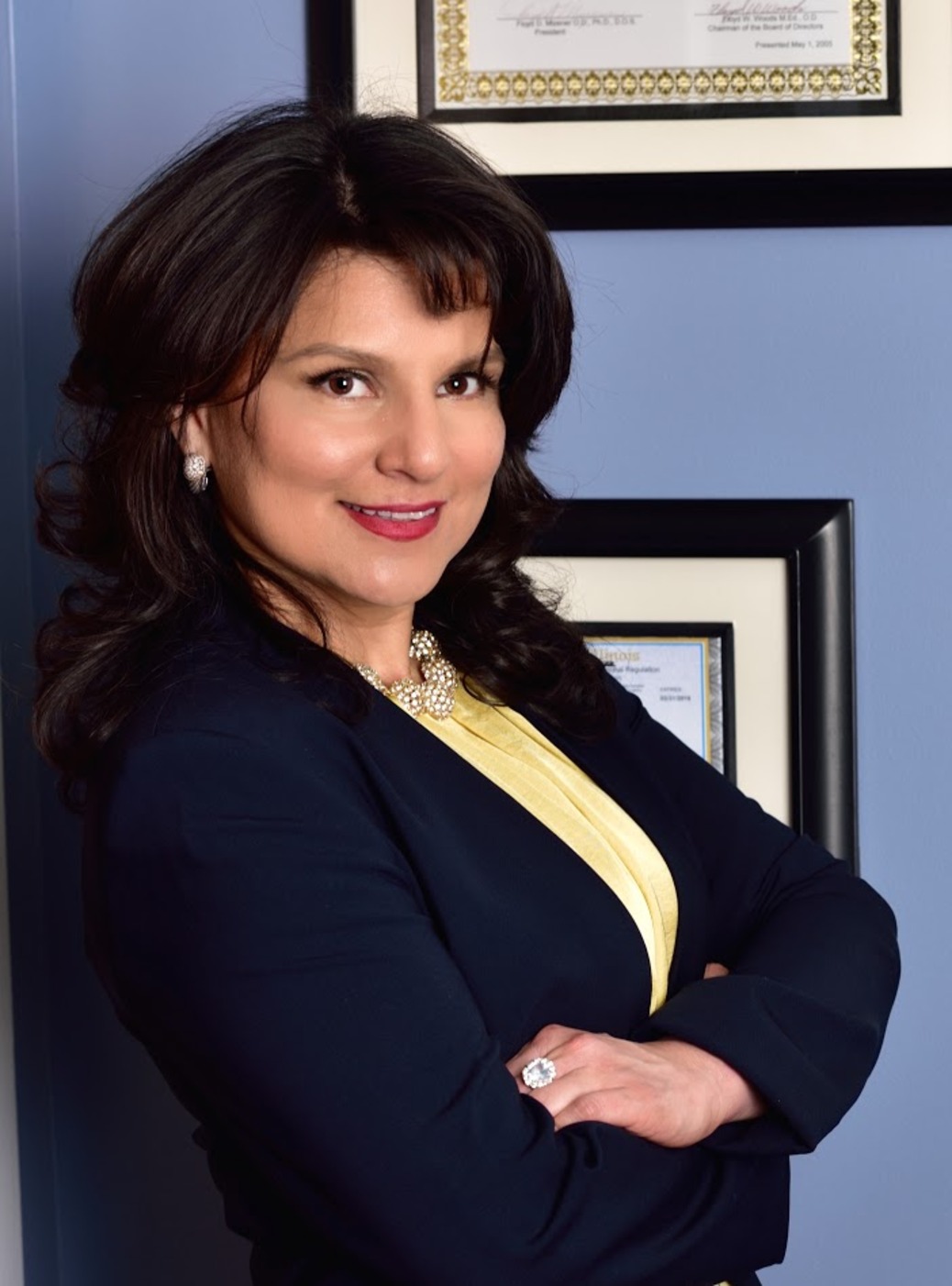
Dr.INGRYD LORENZANA
OD, FAAO, FOVDRA, CBHP
Founder, Brain Vision Institute
(South Barrington, IL)
Dr. Lorenzana is an internationally recognized pioneer in the field of pediatric and neuro-optometry. Her approach is deeply informed by her own recovery from a childhood brain injury, blending scientific research, personal experience with clinical innovation to rehabilitate visual processing and optimize brain function. She is an award-winning researcher and international speaker on the brain-vision connection.
Your Free Gifts
Attend Live and Get Two Free Gifts From the Doctors
As a thank-you for showing up, Dr. Ingryd and Dr. Gall will email you both of these after the session:
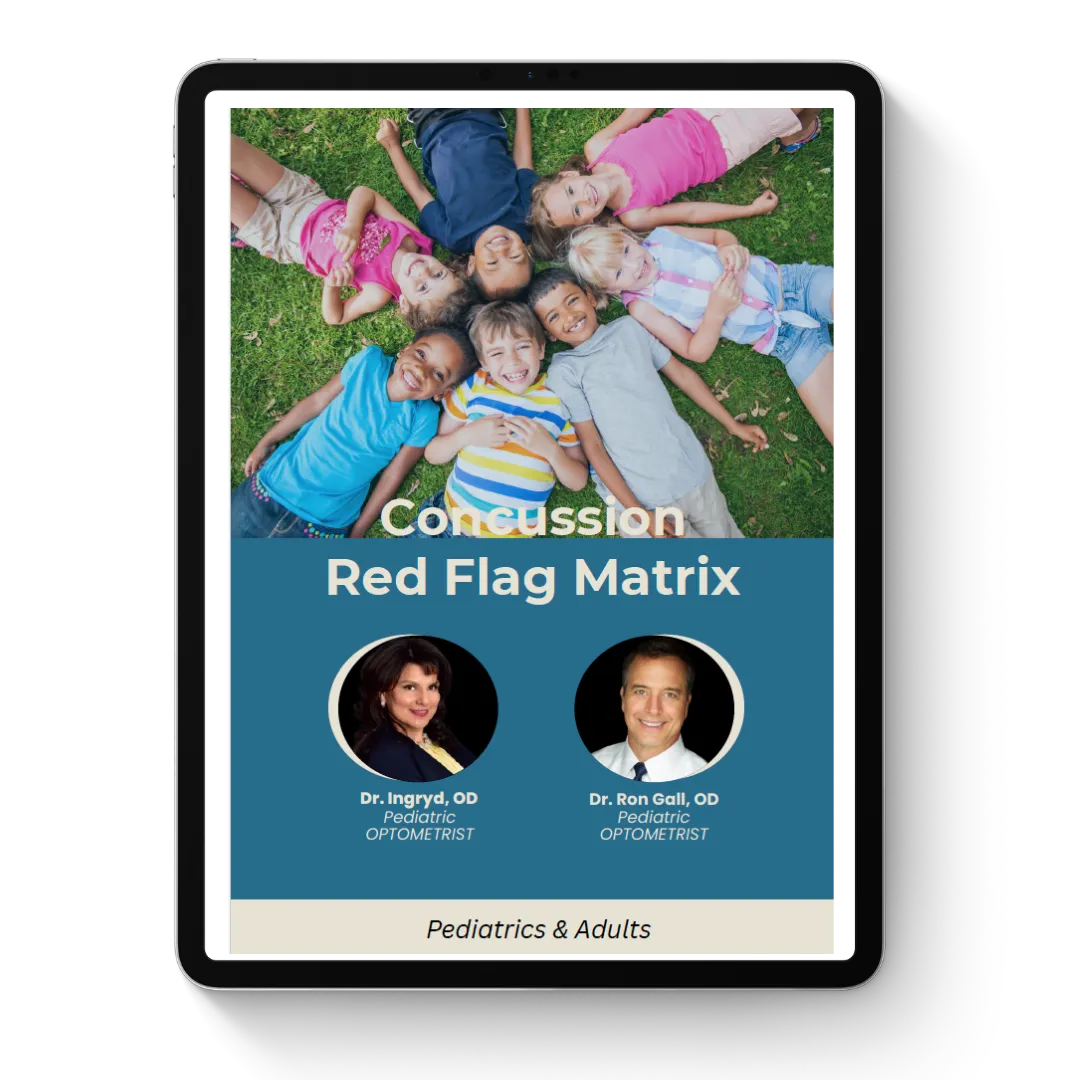
Concussion Red Flag Matrix
Check 30 red flags, each shown with real-life examples of how it looks in a child and in an adult, from forgetting homework to meltdowns in noisy places. If you or your child check more than 3, it's a strong sign a visual processing evaluation is worth it.
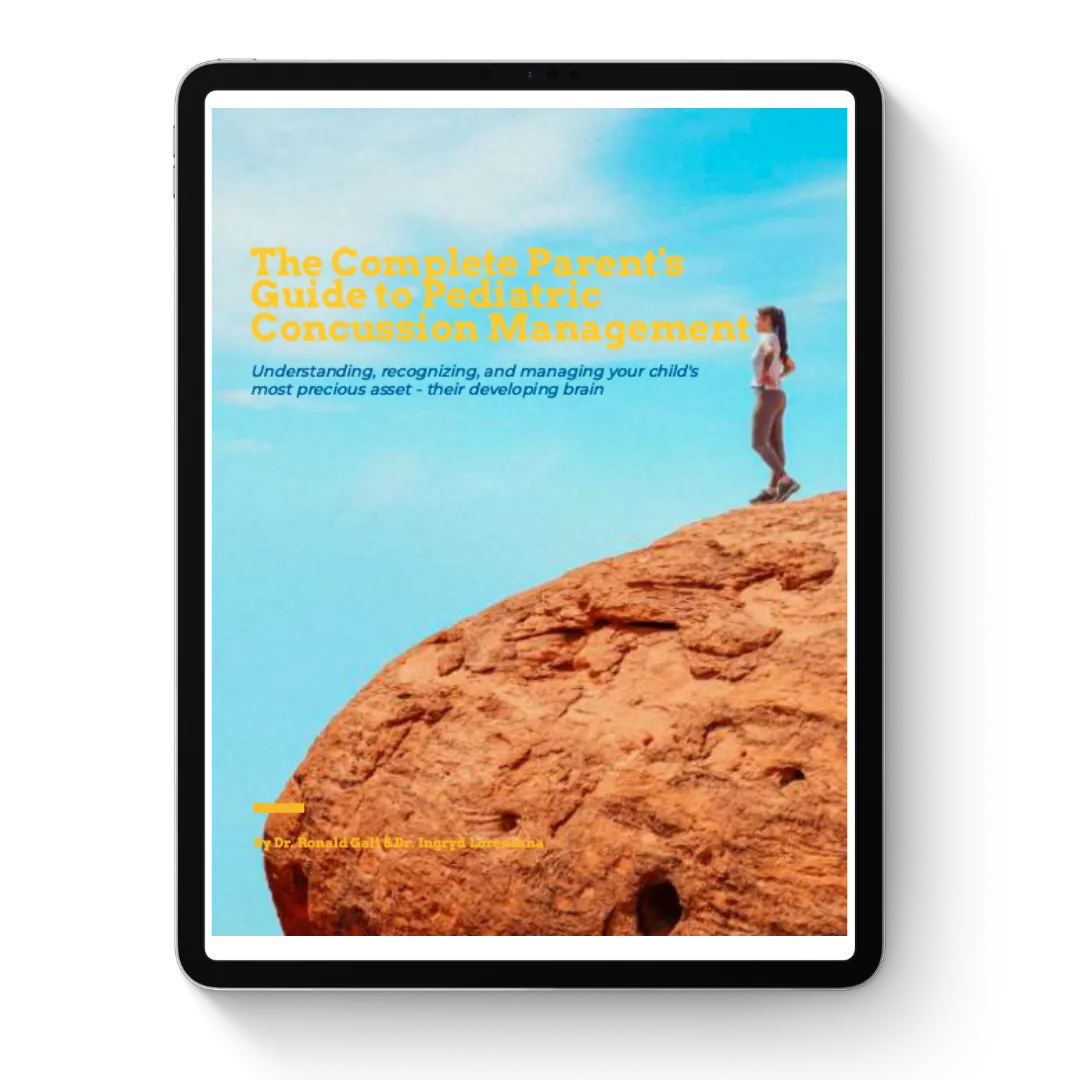
The Complete Parent's Guide to Pediatric Concussion Management
A 21-chapter guide covering early warning signs, when to seek emergency care, age-specific recommendations, school accommodations, myths and facts, and the questions to ask your child's eye doctor, plus a parent's action plan checklist.
Who This Is For
This webinar is for you if:
Your child has had a fall, a sports collision, or a bump to the head, even a "minor" one
Your child is struggling with reading, attention, or behavior, and you're not sure why
You've been told a scan was "normal," but your child still doesn't seem like themselves
Your child plays sports and you want to protect them before an injury happens
Your child has been labeled with ADHD or a learning issue, and you want to rule out a vision cause
You have a toddler or preschooler who's always on the move and taking tumbles
STILL NOT SURE?
Frequently Asked Questions
Question 1: Is it really free?
Yes. The webinar, the Concussion Red Flag Matrix, and The Complete Parent's Guide to Pediatric Concussion Management are all free.
Question 2: How long is it?
About 25 minutes, short enough to watch after the kids are in bed.
Question 3: When can I watch?
new session runs every Tuesday at 6 PM CST / 7 PM EST on Zoom. Register now and we'll send your link for this week's session, plus reminders so you don't miss it.
Question 4: My child fell a long time ago. Is this still relevant?
Yes. Some effects of a concussion don't show up until months or even years later, often when schoolwork gets harder. That's one of the main reasons the doctors created this webinar.
Question 5: My child didn't hit their head. Could it still be a concussion?
It can be. A sudden jolt or twist can shake the brain inside the skull without a direct blow. The doctors explain how.
Question 6: Is this only for kids in sports?
No. Everyday falls are the most common cause, especially in young children.
Question 7: Is this a substitute for emergency care?
No. If your child has a head injury with vomiting, severe headache, confusion, unusual sleepiness, or loss of consciousness, seek emergency medical care right away.
© Copyright 2026. All Rights Reserved.